Embedded development with Avalonia

Build device interfaces for embedded Linux in .NET, with no runtime fees.

Trusted by industry leaders and developers worldwide

Built by your team. Running on your device.

Your team

Built by the .NET team you have.

The interface is C# and .NET throughout, in the editors your developers already use. They design and debug it on a laptop, then run the same project on the device.

  • C# for logic, screens and custom controls
  • Live preview while you design
  • Shares code with your desktop and mobile apps
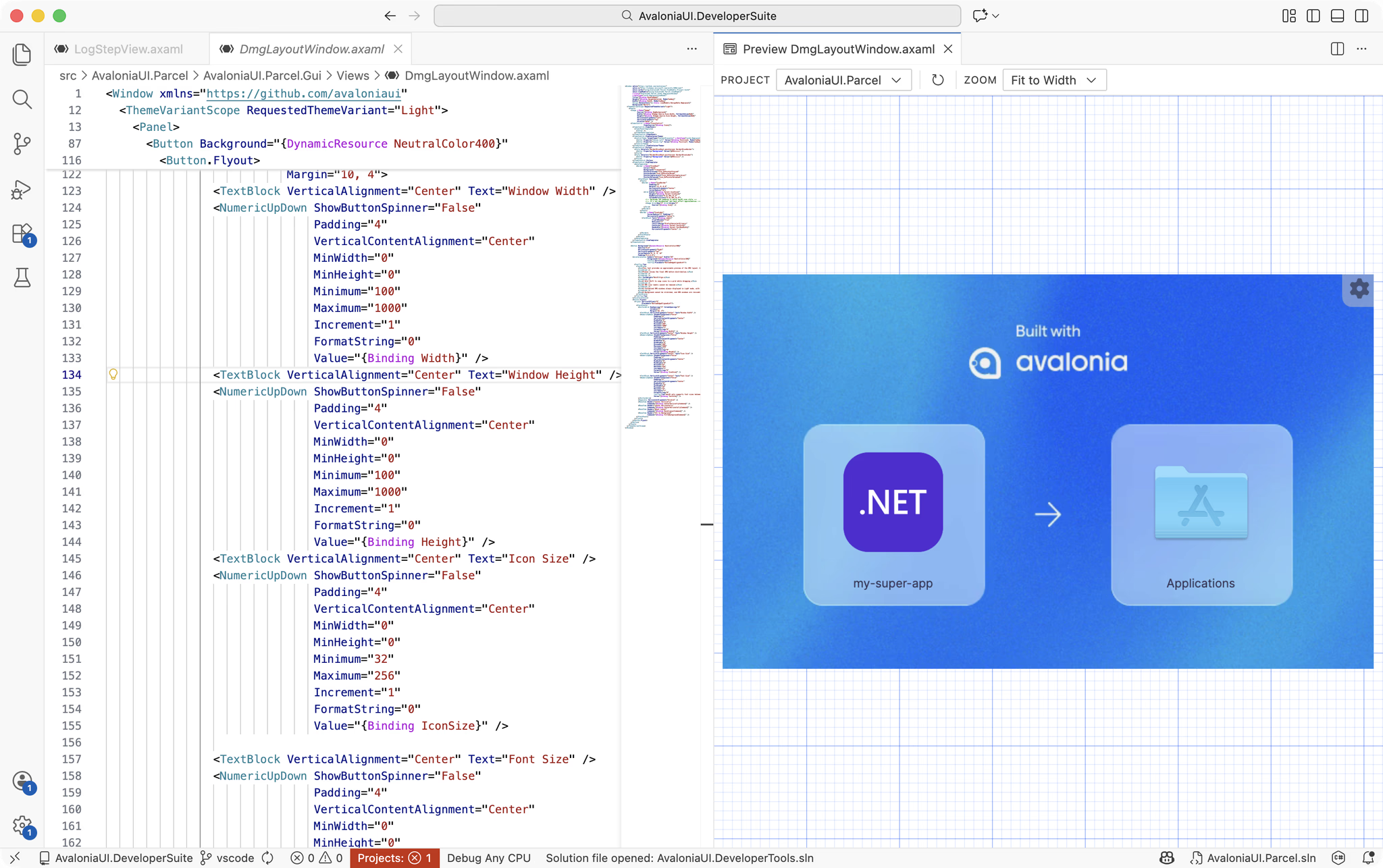
The live XAML previewer rendering Helio’s dashboard beside its markup in VS Code

On the device

Straight to the screen.

Avalonia draws directly to the display, with no desktop underneath, so the device boots into your interface. There’s less software in the image to maintain.

  • Boots straight into your interface
  • Touch works out of the box
  • Hardware accelerated on a GPU
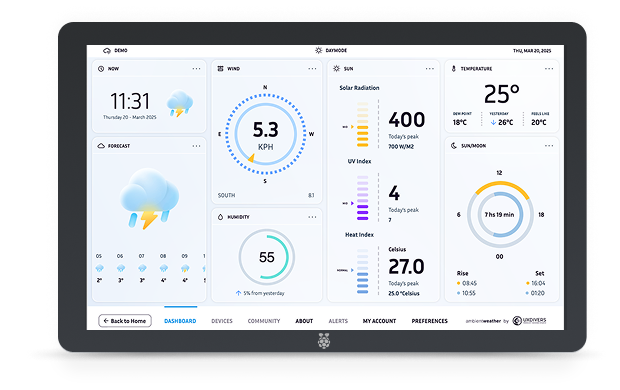
UXDivers’ Ambient Weather HMI, a weather dashboard, running full screen on a Raspberry Pi touchscreen

Shipping today

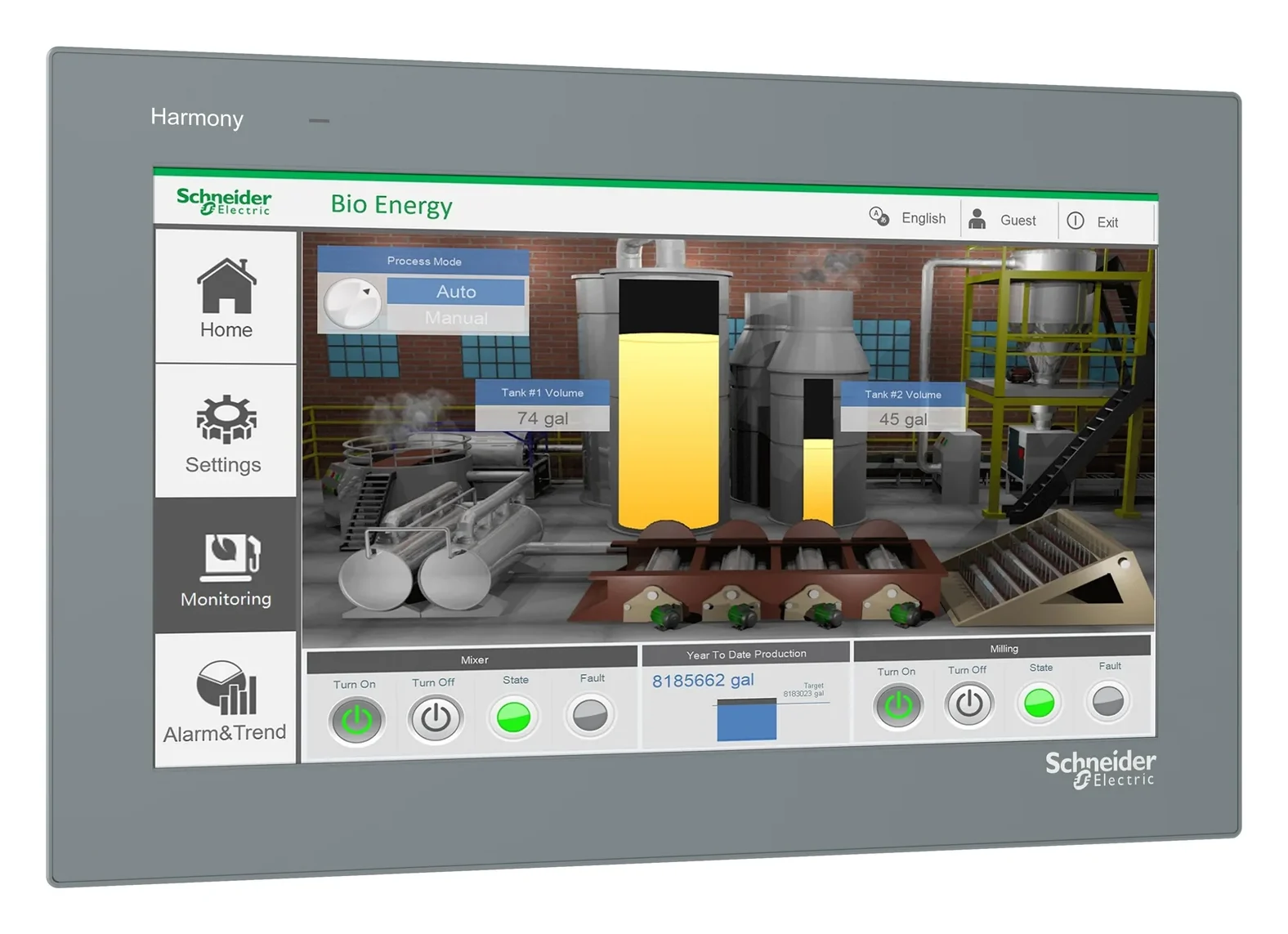
Inside Schneider Electric’s Harmony panels.

The Harmony HMIST6 series moved from Windows to embedded Linux on Avalonia. It runs with no windowing system underneath, in six languages.

  • Working together since 2021
  • 512MB of RAM on the target device
  • Independent cybersecurity evaluation passed
A Schneider Electric Harmony HMI panel running a Bio Energy process screen, with tank volumes, mixer and milling controls, and year-to-date production figures

Ready for your hardware.

Whatever the panel, the board or the enclosure, the details are already handled.

The display

Avalonia draws straight to the panel, however it’s mounted.

  • Rotates to any orientation
  • Fractional scaling for dense screens
  • Tear-free on a GPU, software without

Touch and input

Touch is read directly, with no calibration layer to write.

  • Touchscreens work out of the box
  • Touch follows the screen’s rotation
  • Keyboards and mice for service work

The board

The same project builds for every board you ship.

  • 32-bit ARM, 64-bit ARM and x64
  • One self-contained file
  • Starts when the device does

With Google’s Flutter team

Impeller is coming to .NET.

We’re bringing Flutter’s renderer to Avalonia. It’s designed for the tile-based GPUs in embedded boards, which is where we expect the largest gains.

  • Built for the GPUs devices use
  • No stutter the first time an animation runs
  • Developed in public on GitHub

Experimental today. Skia remains the default renderer.

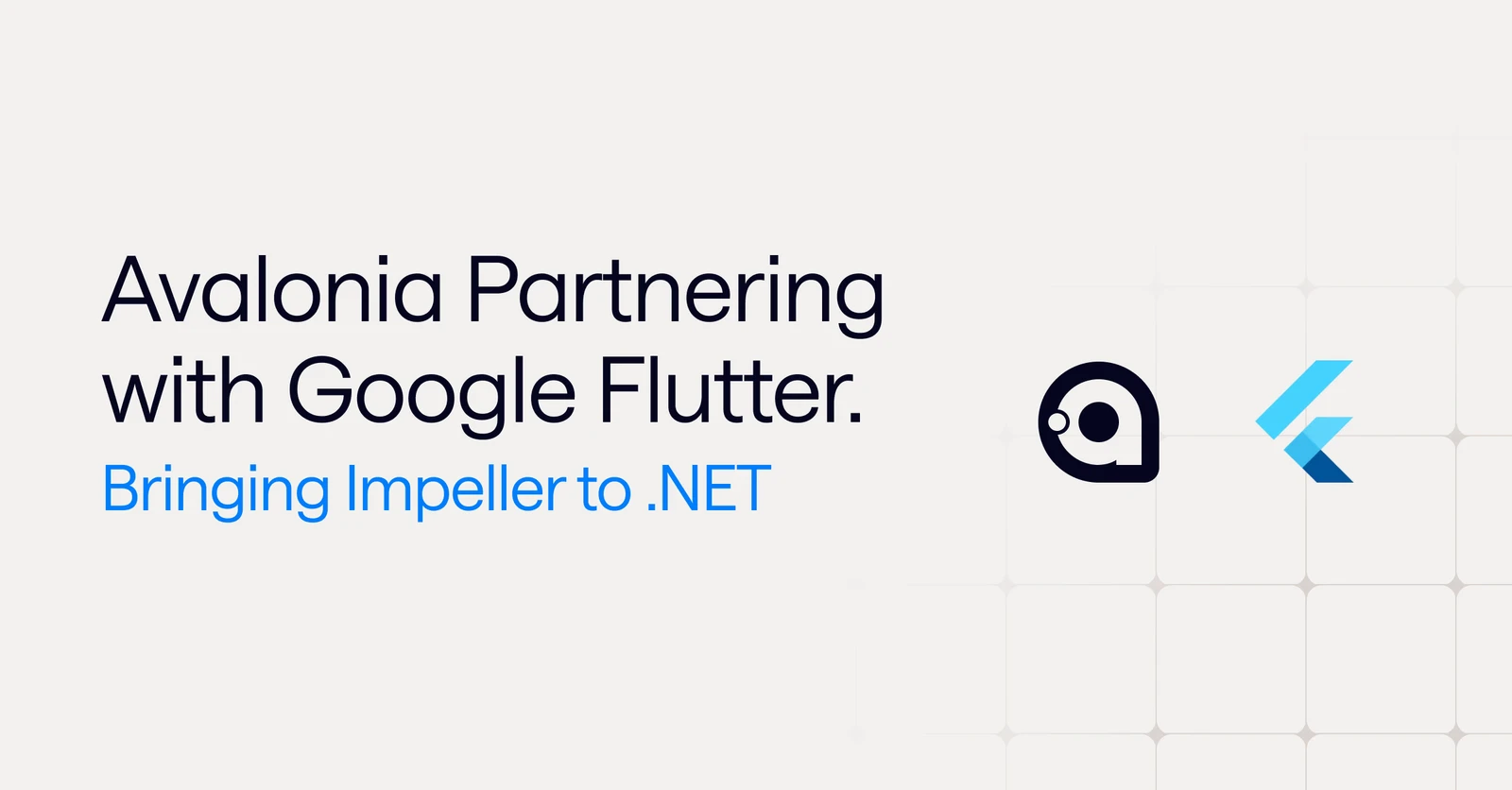
The announcement graphic: Avalonia partnering with Google Flutter, bringing Impeller to .NET, with the Avalonia and Flutter marks

Licensing and cost

Free on every device you ship.

Other UI frameworks charge for every developer and every unit. Avalonia is MIT licensed, and every release is public the day we make it.

€0

Per device

No runtime fee or royalty, at any volume. Qt prices its device licence on request.

€0

Per developer

Free for commercial work. Qt for Device Creation Professional is €6,890 a year.

MIT

One simple licence

Keep the copyright notice. That’s the whole obligation.

Day one

Every fix, for everyone

Public the day it’s released. Qt 6.5.5 took a year to reach open-source users.

Qt prices from Qt’s pricing page, checked 21 September 2026. Release dates from Qt’s release policy, checked 18 November 2026. Qt also has open-source and small-business terms.

Taking a device to production.

Avalonia Pro

A keyboard for devices without one.

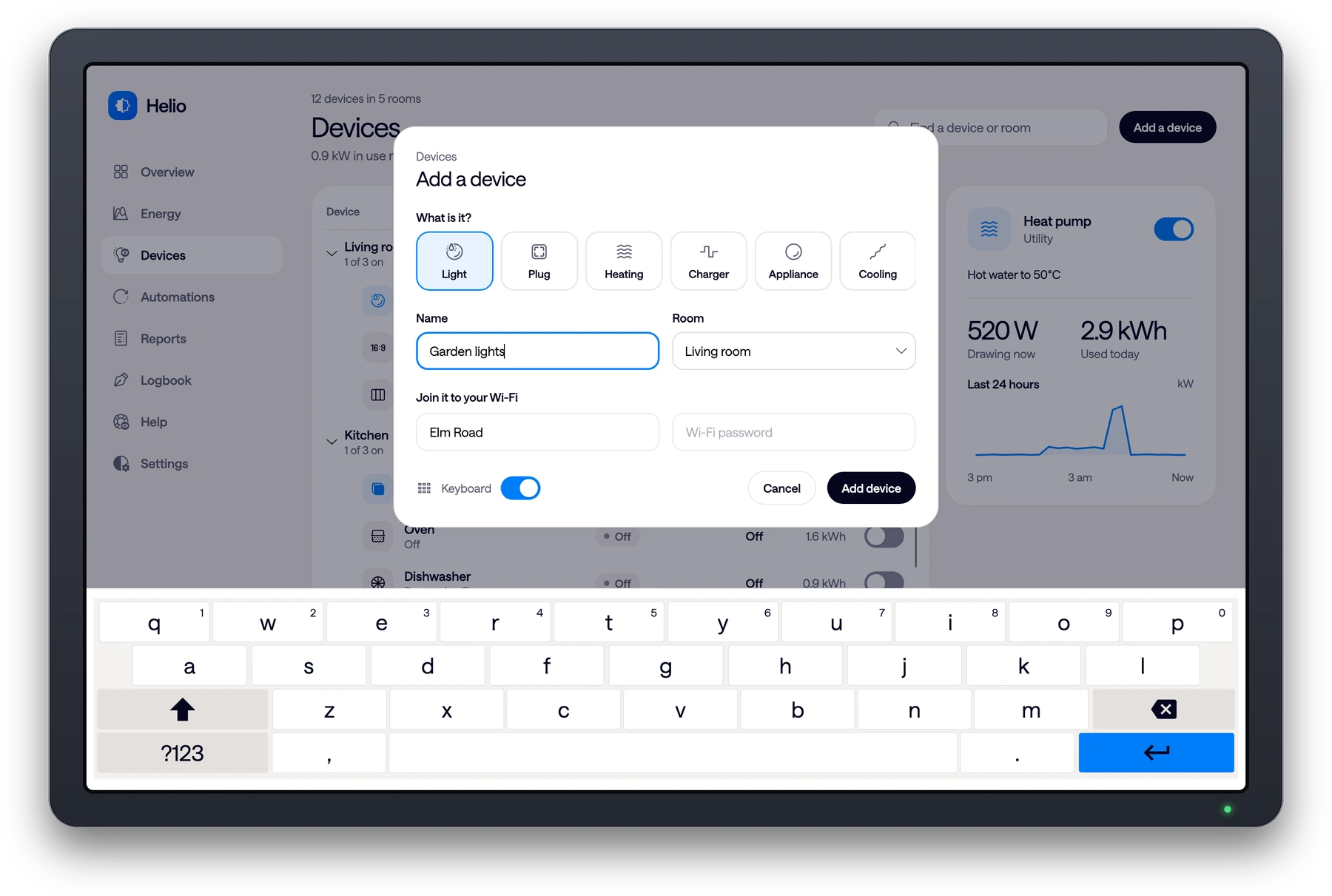
The on-screen keyboard opens when a text field is tapped and adapts its layout to numbers, email and web addresses. It’s licensed per developer, with no fee per device.

  • Follows focus automatically
  • Japanese, Chinese and many more languages
  • Included in Pro and Enterprise
A wall panel running Helio, a home energy app: the Add a device form is open with a name being typed into the focused field, and the Avalonia on-screen keyboard is open along the bottom of the screen
Three members of the Avalonia team in Avalonia hoodies, working through something together on a laptop

Avalonia Enterprise

Our engineers, behind your board.

Raspberry Pi OS is tested against every release. Every other board and Linux image is supported through Avalonia Enterprise, so we recommend it for every device in production.

  • Help with porting and troubleshooting
  • A reply in one working day
  • LTS releases with five years of security updates

FAQ

Your questions,
answered.

Can't find what you need? We're here to help.

Yes. The framework is MIT licensed, with no runtime fees or royalties. Paid tiers are optional and never priced per device.

Embedded Linux on 32-bit ARM, 64-bit ARM and x64. Raspberry Pi OS is tested against every release. Other boards and operating systems are supported through Avalonia Enterprise.

No. Avalonia needs a Linux system that can run .NET.

Not to build or ship. Anything other than Raspberry Pi OS is supported only through Enterprise, so we recommend it for any device in production.

Porting, configuration and troubleshooting on your hardware and Linux image. Support is on a reasonable-efforts basis, and we agree the target with you first.

No. Avalonia is hardware accelerated with a GPU and renders in software without one.

Avalonia is C# and MIT licensed, with no fee per developer or per device. Qt’s long-term fixes also reach commercial customers first: Qt 6.5.5 was released to them a year before open-source users got it. See the full comparison.

Avalonia Enterprise includes LTS releases with five years of security updates.

Compliance for your device stays with you. Avalonia publishes a security policy and a software bill of materials with every package, and Enterprise adds long-term security updates.

Yes. The same project builds for Windows, macOS and Linux, iOS and Android and WebAssembly.

Yes. Our services team takes on embedded development.

Bring us your board.

Tell us your hardware and your Linux image. We’ll work out what your device needs.