How Avalonia is funded
Sustainably open.
A healthy company is part of a healthy open-source platform. Our paid products fund the people who keep Avalonia moving forward, for everyone.
Stewardship
The company is
part of the platform.
Avalonia UI employs the core team, retains expertise and funds the work your applications depend on. Building a durable business is part of stewarding Avalonia: it gives the project the capacity to keep improving, year after year.
We think of Avalonia as four different things at once, and every decision we make lands on each of them differently. Giving tooling away helps the community and costs the company. Charging for a control funds the project and tests the community’s trust. Our job is to keep all four healthy, and a business that can fund the work is what makes that balance possible.
The four Avalonias, and what each one needs
The software
The framework and products people use. They need to be useful, reliable and well documented.
The project
The work of building, maintaining and releasing that software. It needs people with time and expertise.
The community
Users, contributors, customers and educators. It needs trust, shared knowledge and a welcome that does not depend on paying.
The company
The institution employing the core team and making long-term commitments. It needs the income and stability to keep investing.
A healthy company.
A healthy project.
Better software earns adoption. Products worth buying turn some of that adoption into income. Income funds the people making Avalonia better. The cycle is only complete when value returns to development.
Select a stage to explore how it supports the next.
Stage 1 of 4
Make Avalonia more useful
Help developers build and maintain real applications with a dependable framework, clear documentation and better tools.
What this makes possible
Useful software gives more developers a reason to try Avalonia, stay with it and recommend it.
Stage 2 of 4
Earn adoption and trust
Developers use Avalonia, share their experience and contribute feedback, examples and recommendations.
What this makes possible
Wider adoption creates more opportunities to offer paid products to teams that need them.
Stage 3 of 4
Sell products that add value
Some teams choose to buy tools, components, XPF or support because those products solve a problem for them.
What this makes possible
Those purchases return a small part of the value Avalonia creates to the company that funds its continued development.
Stage 4 of 4
Fund further development
Income pays for the people improving the framework and products, testing releases, writing documentation and supporting customers.
What this makes possible
That investment makes Avalonia more useful, bringing us back to the start of the cycle.
What funding makes possible
A multi-million investment
in software anyone can use.
Funding becomes engineering time: the people fixing difficult bugs, supporting new platforms and making the next release dependable. The company has funded that work in Avalonia’s free and open-source technology at a multi-million scale.
21
Avalonians, across 11 countries
13+
Years of development since 2013
6
Platforms maintained from one codebase
2.1M
Projects using Avalonia packages
More people doing the work
Sponsorship from Devolutions helped us grow the team and invest in documentation and quality.
More technology available to everyone
That capacity helped us release Wayland support under MIT, open-source WebView and give away tooling we had expected to charge for.
A foundation for the next decade
A broader base of customers and recurring revenue helps us retain that expertise and keep investing beyond any single sponsorship.
Purchasing is a contribution
Create far more value than we capture.
Most of Avalonia’s economic value stays with the people building on it. Buy tools, components or support because they help your team succeed. Your purchase also funds the people improving Avalonia for everyone.
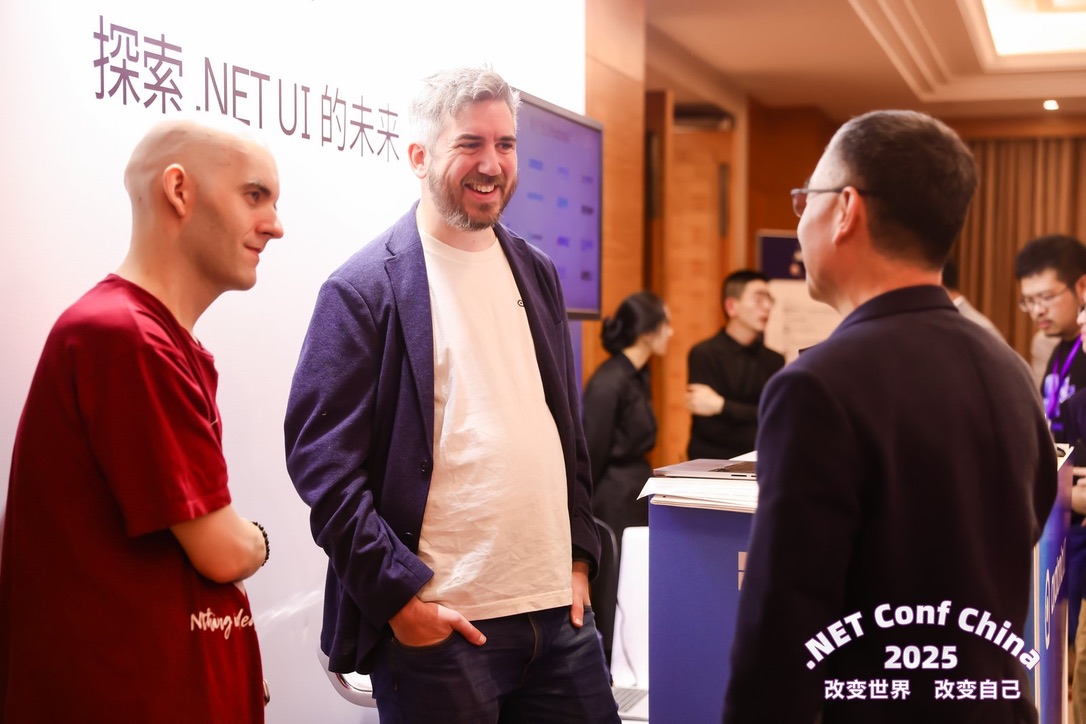
The people behind the platform.
“A platform is when the economic value of everybody that uses it exceeds the value of the company that creates it.”
Bill Gates
As recalled by Chamath Palihapitiya. Read the account
The model in practice
Clear answers about funding, software freedoms and the commitments behind a purchase.
How Avalonia is funded
The company funds development through paid tools and components, XPF, support, professional services and corporate sponsorship.
Revenue pays for people building and supporting our products, and helps fund the open-source framework: maintenance, platform support, testing, documentation and releases. Recurring income helps us retain expertise and plan beyond the next release. A purchase supports this work as a whole; it is not an earmarked donation to a particular feature.
Sponsorship has accelerated what we can do, particularly through our partnership with Devolutions. Our strategy is to build a broader base of customers, subscriptions and renewals so that continued investment is resilient beyond any one funding source.
Avalonia UI is the commercial business employing the core team and investing in the platform. Your purchase specifies the products, support and lifecycle commitments you receive. Discuss your requirements with us so those commitments match your application’s needs. A product purchase does not automatically turn every bug report or feature request into a delivery commitment.
Free framework, paid products
The framework is free to use. Customers pay for additional value, and that income helps keep the shared platform improving.
Yes. The Avalonia framework is MIT-licensed and permits commercial use under that licence. You do not need a paid subscription to use it. The Community tier for additional tools has separate terms; those do not restrict the framework’s MIT licence.
Additional tools, components, XPF and support take sustained work to build and maintain. Charging for that value funds their development and helps fund the free framework too. Our responsibility is to keep the framework useful on its own. We do not deliberately weaken it to encourage an upgrade.
Code already released under MIT retains that licence. Later versions or different products may have different terms. When an offer changes, we should explain the change, honour existing commitments and acknowledge the expectations people built around it. Software rights, pricing and support commitments are distinct.
See the current products and terms for what each offer includes.
Further reading
Four books that shaped
how we think about this.
These books, alongside our experience building Avalonia, helped us develop this thesis. If you want to understand how open source stays funded beyond any one company, start here. Under each title is what we take from it.
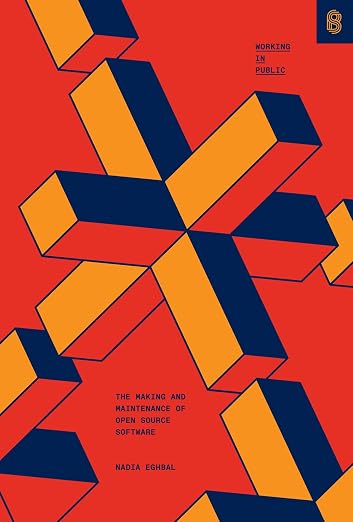
Working in Public
Nadia Eghbal
Fund the people and attention behind the code, not just the code.
About the book
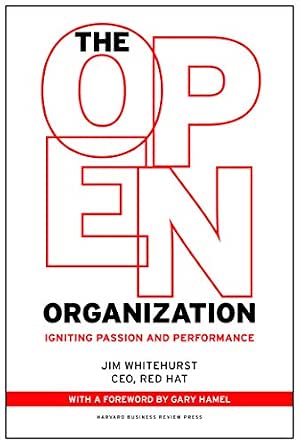
The Open Organization
Jim Whitehurst
Build an institution around transparency, participation and trust.
About the book
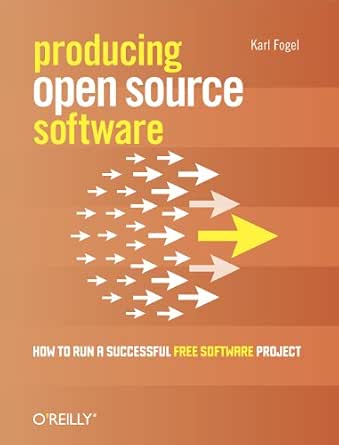
Producing Open Source Software
Karl Fogel
Organise for dependable maintenance and continuity, release after release.
About the book
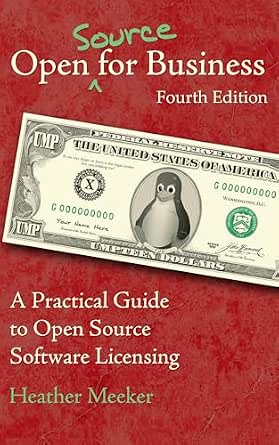
Open (Source) for Business
Heather Meeker
Respect software freedoms and make the commercial terms plain.
About the book
Invest in the platform you build on
Choose products and support that help your team succeed, and help sustain the shared technology you depend on.