The cross-platform .NET UI framework
What's new in Avalonia 12: performance, stability, and platform maturity, built for what's next.
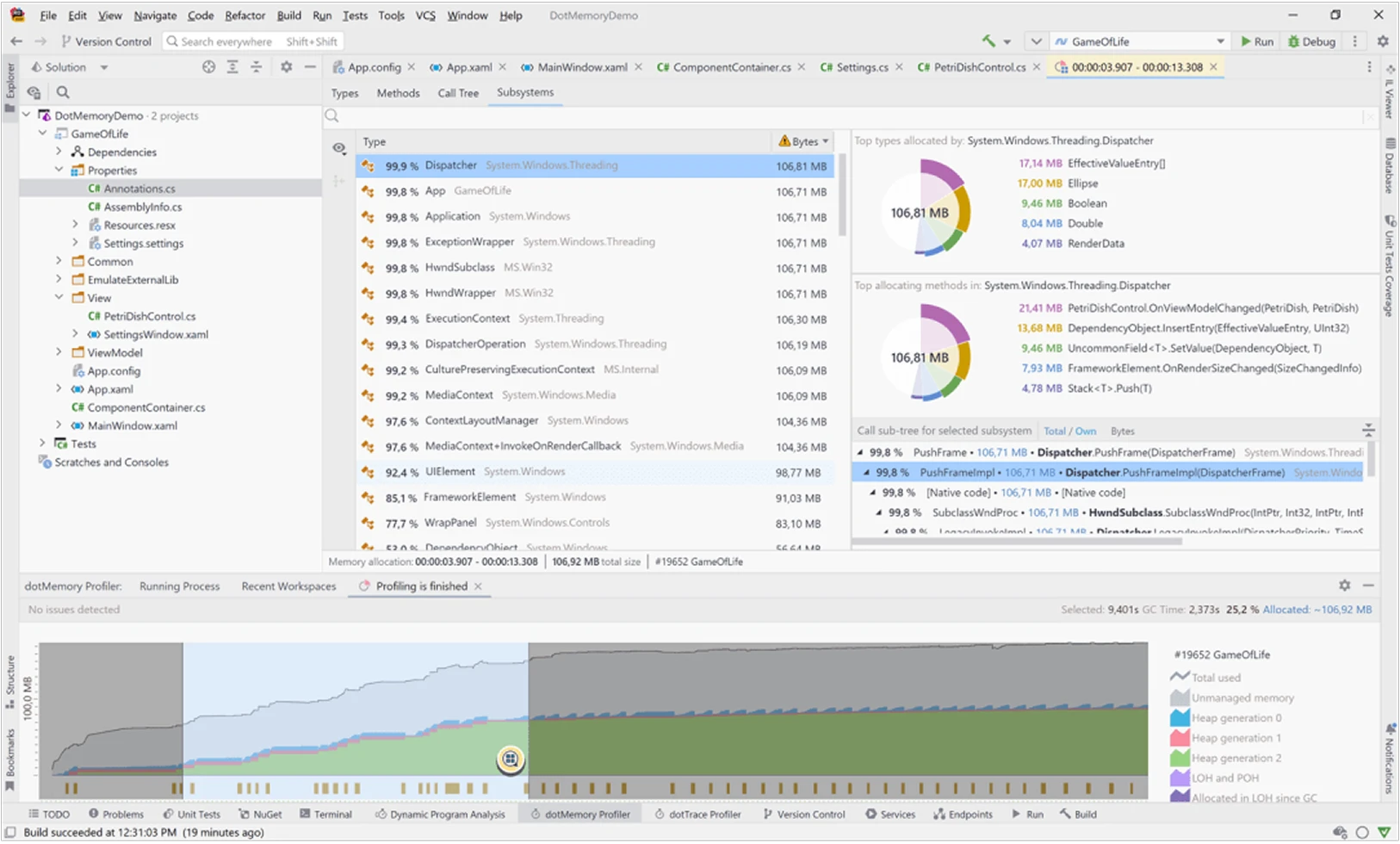
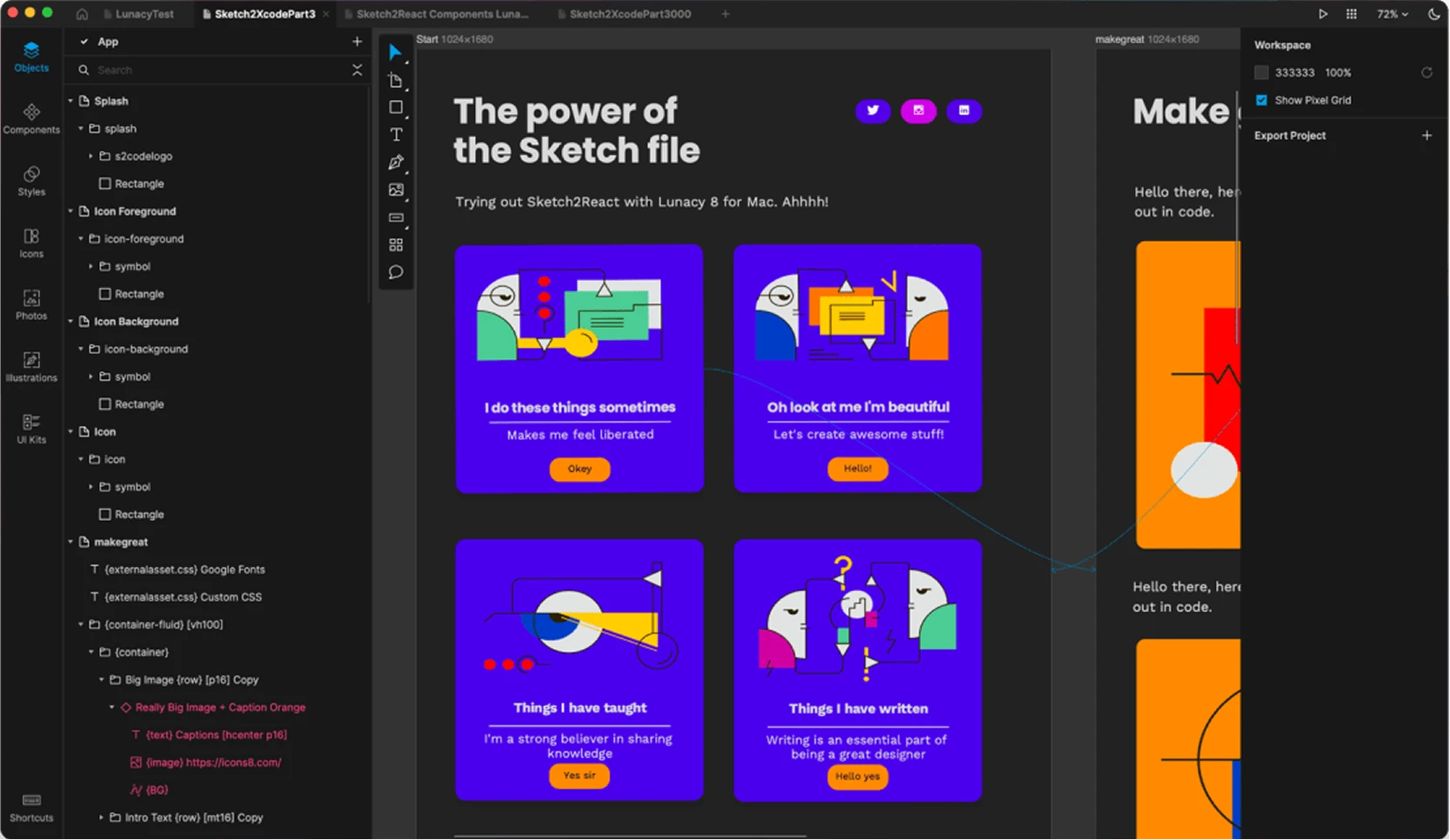
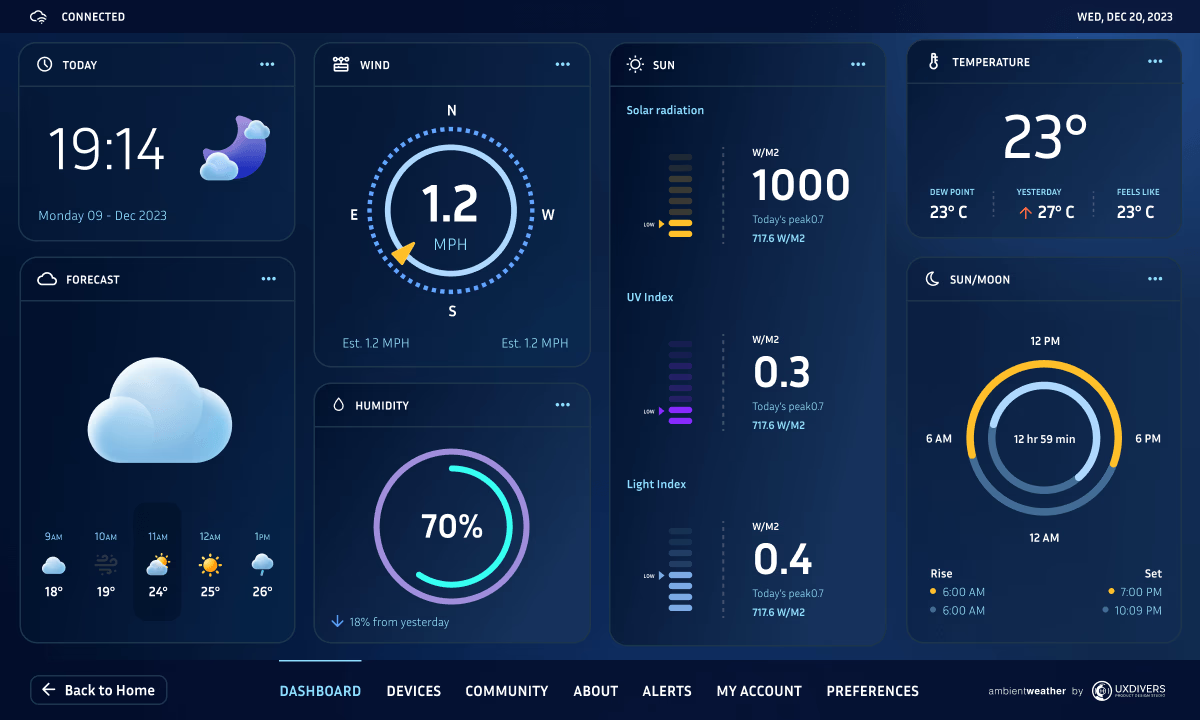
Performance
Rendering that scales to massive visual trees
Avalonia 12.0 delivers up to 1,867% increase in FPS on complex layouts, tested against scenes with 350,000 unique visual elements. These gains are the result of significant investment in the rendering pipeline, including deferred composition and optimised dirty-rect tracking.
Android
Re-architected from the ground up
The Android backend in Avalonia 12.0 has been completely rebuilt. Reliable scheduling at high refresh rates, native support for multiple Android activities, and a streamlined rendering pipeline deliver measurably faster startup, smoother scrolling, and less animation jank.
Mobile
Navigation controls
Avalonia 12.0 brings navigation patterns designed for touch-first experiences on iOS and Android. Drawer navigation, tab bars, bottom sheets, and platform-native gesture handling work consistently across both platforms, giving your mobile users the interaction model they expect.
WebView
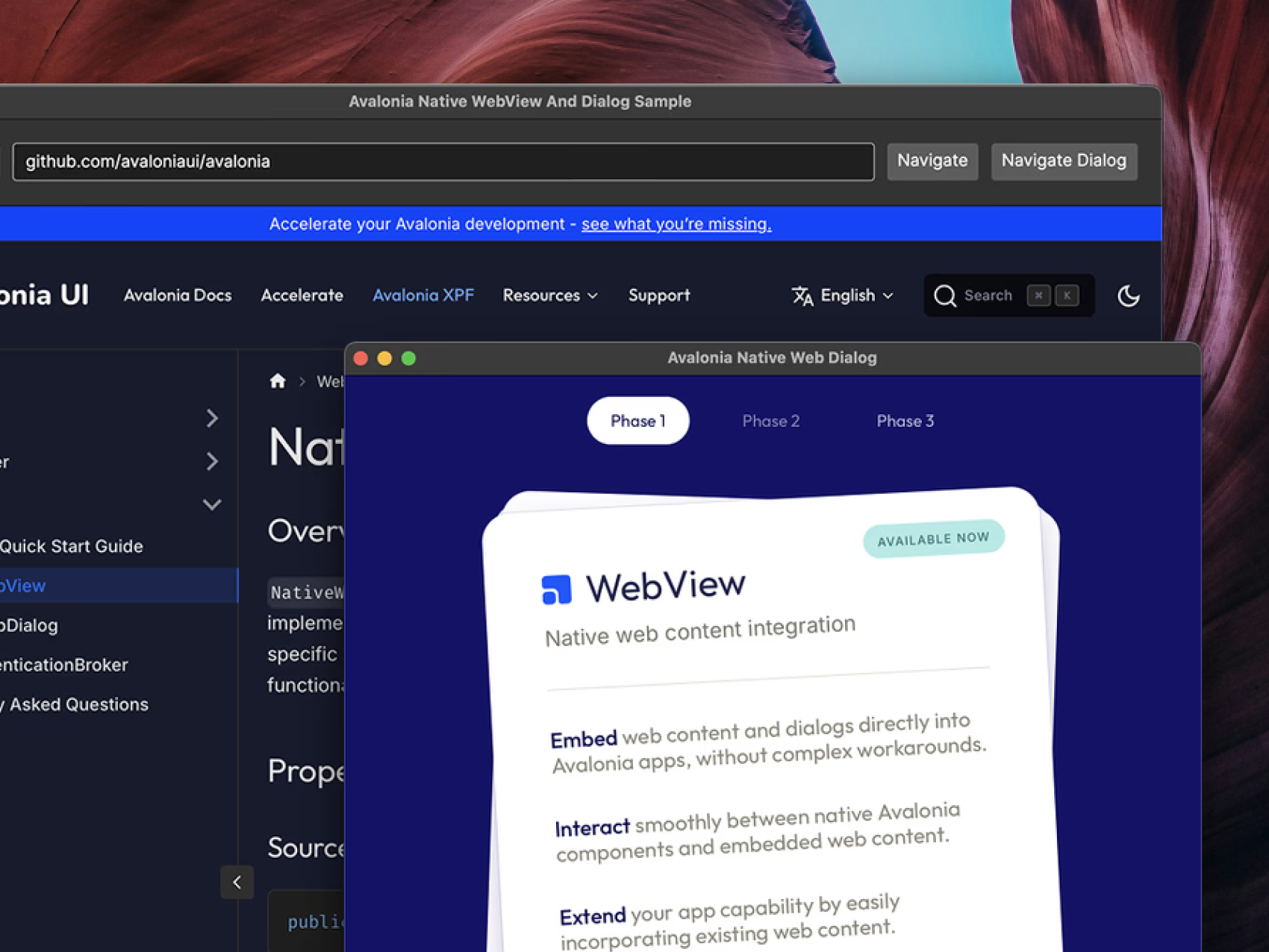
WebView, now open source
The Avalonia WebView component, previously a commercial add-on, is now fully open source and included in v12. It leverages each platform's native web renderer so your applications stay compact and performant, with no bundled Chromium required. Bi-directional JavaScript interop, OAuth flow support, and full environment customisation come built in across Windows, macOS, Linux, iOS, and Android.
Accessibility
Built-in accessibility across every platform
Avalonia 12.0 includes full keyboard navigation, screen reader support via platform accessibility APIs, and semantic UI controls across Windows, macOS, Linux, iOS, and Android. These capabilities are built into the framework, not layered on after the fact.
Linux
Native Wayland support for modern Linux New in 12.1
Avalonia 12.1 delivers native Wayland support, giving your Linux applications direct access to the display protocol that powers GNOME, KDE Plasma, and other modern compositors. Rendering through Wayland’s buffer-sharing model brings lower latency and better HiDPI handling, while X11 remains fully supported for older desktops and distributions.
Education
Expanded docs and interactive examples
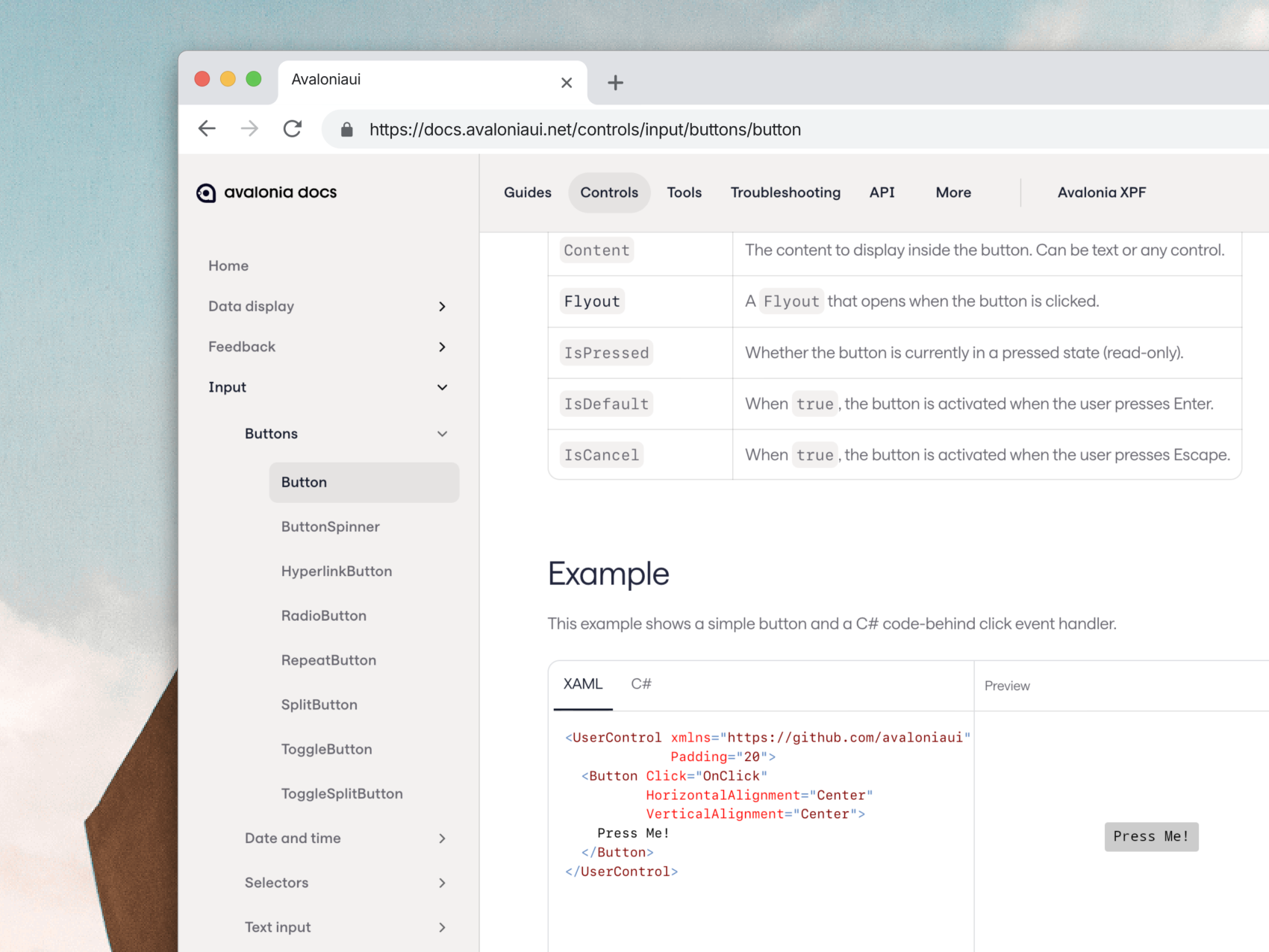
The Avalonia 12.0 documentation includes 125% more guides compared to 11.x, a rebuilt API reference, and interactive XAML editors embedded directly in the pages. Whether you’re evaluating the framework or debugging a layout issue, the reference material is structured to get you to an answer quickly.
Momentum
Naturally grown into the standard
Avalonia didn't get here through hype. It grew because developers kept choosing it, project after project, team after team.
MIT licensed, commercially backed
The full framework is MIT licensed with no usage restrictions. AvaloniaUI provides commercial support plans and long-term maintenance for teams that need it.
The most popular .NET UI framework
Avalonia has grown to become the most popular and most starred .NET UI framework: driven by word of mouth, not marketing spend.
One singular mission
We do one thing: build the best cross-platform .NET UI framework. Every engineering decision, every release, every partnership is in service of that goal.
Engineering depth and platform momentum
The pull request history shows the pace of engineering investment behind every release. Avalonia 12 lands a rebuilt Android backend, strengthened iOS and Mac Catalyst integration, and native Wayland support, and all of it happens in the open.
MIT licensed
Built on open source, trusted in production
Avalonia is used in production by teams at organisations including Autodesk, JetBrains, and Devolutions. The framework is MIT-licensed and commercially backed by AvaloniaUI: the engineers who build it support it directly through Avalonia Enterprise. It’s maintained with a growing open-source community, with contributions from Microsoft, JetBrains, Stripe, and Avanade.
Contributions from




Start building with Avalonia 12
One .NET codebase across Windows, macOS, Linux, iOS, Android, and WebAssembly. Get started in minutes with the IDE you already use.